
Motorhome touring Scotland the weight and road reality
Mastering Scotland's roads in a motorhome requires understanding weight limits, single-track etiquette, and ferry dimensions. Plan your 2026 Highland tour here.
Mastering Scotland's roads in a motorhome requires understanding weight limits, single-track etiquette, and ferry dimensions. Plan your 2026 Highland tour here.

The RoamWorthy editorial team combines decades of caravan, motorhome and campervan ownership experience with industry expertise to provide trusted buying advice.
View all articles →- Agility is Key: Compact motorhomes (under 6m) or slim-line coachbuilts are significantly easier to navigate on the NC500 and single-track routes.
- Weight Limits: Be mindful of 3.5t MAM limits on smaller bridges and weight-restricted rural roads; exceeding these is a legal offence.
- Passing Etiquette: Use passing places to allow overtaking; holding up traffic is a violation of the Highway Code and frustrates local residents.
- Preparation: Check your vehicle's exact laden weight and dimensions before departure to avoid bridge strikes or getting stuck.
- Ferry Logistics: CalMac pricing tiers often change at the 6-metre mark; accurate measurements save money and ensure boarding.
Scotland remains one of the world's premier motorhome destinations, but as we look towards the 2026 touring season, the reality of the road infrastructure requires a pragmatic approach. While a large A-Class like a Frankia Platin or a Niesmann And Bischoff offers unparalleled luxury, the "right" vehicle for the Highlands is often defined by agility rather than square footage. Whether you are navigating the rugged North Coast 500 or the misty Isle of Skye, your vehicle's weight and dimensions will dictate your accessibility.
The Physics of the Highlands: Why Weight and Size Matter
Navigating the North Coast 500 or the Argyll Coastal Route involves more than just scenic views; it involves technical driving. Here is why your vehicle's footprint dictates your stress levels:
- Single-Track Mastery: Many iconic routes consist of single-track roads with passing places. A wider coachbuilt motorhome can make meeting oncoming timber lorries or local tractors a high-stakes manoeuvre.
- The 3.5-Tonne Threshold: Many rural bridges and minor roads have weight restrictions. If your motorhome exceeds 3,500kg (MAM), you may find your GPS routing you on significant detours. Use our Motorhome Weight Checker to ensure you know your limits.
- Atlantic Crosswinds: Scotland’s west coast is prone to high winds. Tall, slab-sided motorhomes act like sails, which can make driving over the Bealach na Bà or coastal cliffs exhausting.
- Parking Constraints: Many of the best wild-viewing spots and smaller campsites have tight entrances designed for cars and small vans, not 8-metre tag-axle rigs like a Bailey Autograph 74 4.
Common Scottish Route Restrictions
| Route/Location | Constraint Type | Recommendation |
|---|---|---|
| Bealach na Bà (Applecross) | Hairpin Bends / Gradient | Avoid if over 6m or inexperienced |
| CalMac Small Isles Ferries | Length & Weight | Strict 6m limit for standard pricing |
| Isle of Mull (Interior) | Single Track | High reversing competency required |
Choosing the Right Tool for the Job
If you are currently browsing used motorhomes with a Scottish odyssey in mind, consider the trade-off between living space and driving ease. Models like the Chausson S 514 or the Bailey Wingamm Oasi 610m are popular choices because they pack high-end features into more compact, manageable footprints. For those seeking even more agility, the Motorhome Models hub offers the best balance for the NC500, including slimline options from Bürstner and Laika.
The Scottish Road Protocol Checklist
- Monitor Your Mirrors: If more than two vehicles are behind you, pull into the next passing place (on the left) or wait opposite one (on the right) to let them pass. It is a legal requirement under the Highway Code.
- Know Your Height: Keep a sticker on your dashboard with your height in metres and feet for low-hanging branches and old stone bridges.
- Arrive Early: Popular spots in the Highlands fill up by 4 PM. Shorter driving days reduce fatigue and secure better pitches.
- Verify Your Payload: Scotland often requires carrying extra water or gear. Ensure you aren't exceeding your legal axle weights by using our Campervan Conversion Checker if you have a bespoke build.
- Check the Bealach na Bà: If you are in a large coachbuilt or towing, use the alternative route to Applecross via Shieldaig. Check our Caravan Towing Calculator if you are pulling a trailer.
Navigating the Islands: Weight and Length Restrictions
Island hopping via CalMac ferries requires precise knowledge of your vehicle dimensions. Fares are often tiered by length (e.g., under 6m vs. over 6m), and some smaller slipways on the Inner Hebrides have strict weight limits that could exclude heavy A-Class models. Always confirm your Maximum Authorised Mass (MAM) before booking. If you are looking for a smaller footprint, explore Campervan Models like the Volkswagen California or Mercedes-Benz Marco Polo, which often fit into the lower ferry price brackets.
Frequently Asked Questions
Can I drive a large motorhome on the NC500?
While possible, it is not recommended for inexperienced drivers or very large vehicles (over 7m). Certain sections, like the Bealach na Bà, have specific signage advising against large motorhomes and caravans. If you are unsure, consider a more versatile model like the Auto-Trail Imala or browse Caravan Models for a base-camp approach.
What happens if I get stuck on a single-track road?
Reversing is a required skill. You must be prepared to reverse back to a passing place if the encounter is closer to one behind you. This is why many Highland tourers prefer the manoeuvrability of a Volkswagen California or a Volkswagen Transporter conversion. Check our Find a Dealer tool to locate specialists in compact touring vans.
Are there specific weight limits on Scottish islands?
Yes, many ferry routes and island bridges have strict weight and length limits. Always check with CalMac or local council websites before booking travel to the Hebrides or Orkney if your vehicle is over 3.5t or 6m in length. For those with larger rigs, checking Caravan Layouts might offer an alternative where you leave the van at a site and explore in a tow car.
Does my driving licence cover a heavy motorhome in Scotland?
If your motorhome is over 3,500kg, you generally need a C1 category on your UK driving licence. Check your photocard before hiring or buying a larger rig for your Scottish tour. If you are unsure about your vehicle's weight status, our Motorhome Weight Checker can help clarify your requirements.
Ultimately, do not treat vehicle size as a status symbol. In the context of the Scottish Highlands, a smaller vehicle is a tool that grants you access to the most breathtaking, remote locations that larger vans simply cannot reach.
Related on RoamWorthy
Related Tools
Related Makes & Models
Spotted an error? Let us know.
Continue Reading
More posts to help you make informed decisions
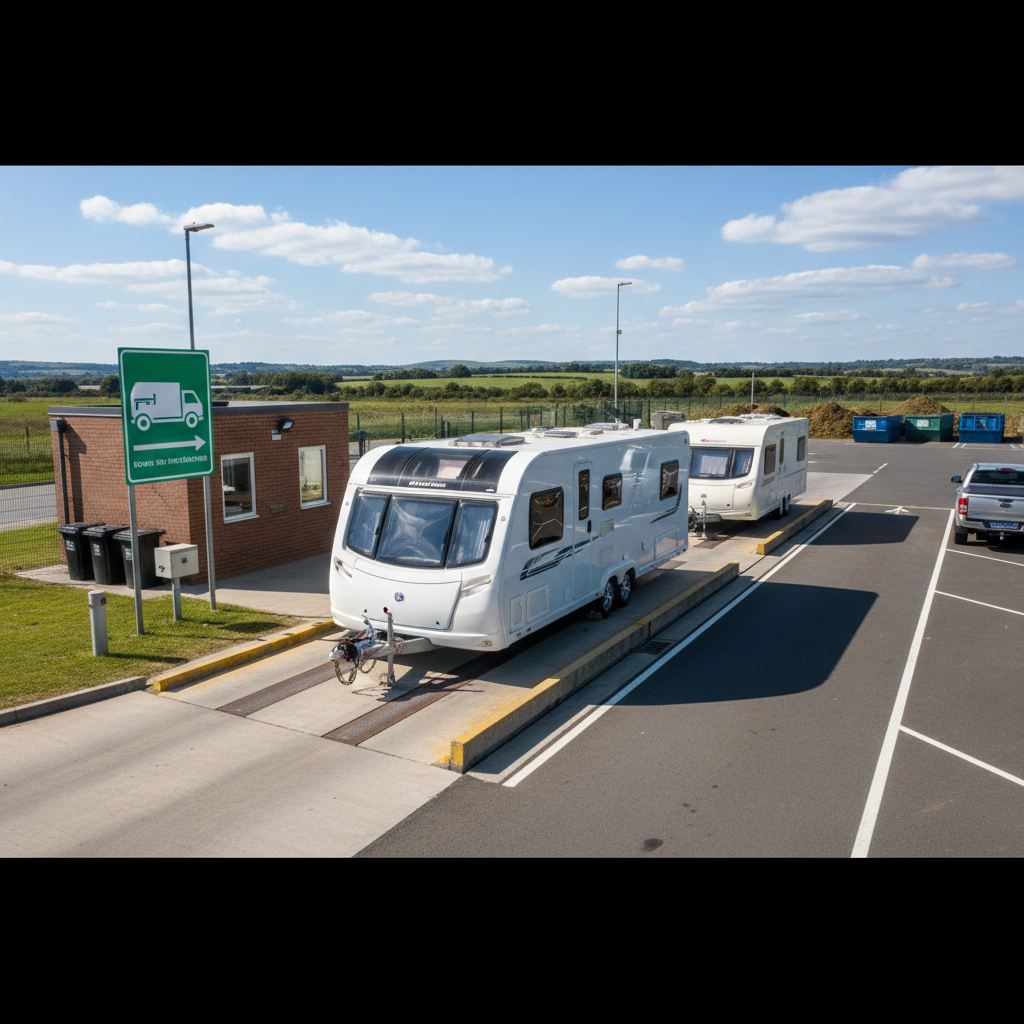
How to Use a Public Weighbridge Safely
Ensure your caravan or motorhome is road-legal. Learn how to find a UK public weighbridge, understand DVSA weight terms, and verify your axle limits to avoid fines.
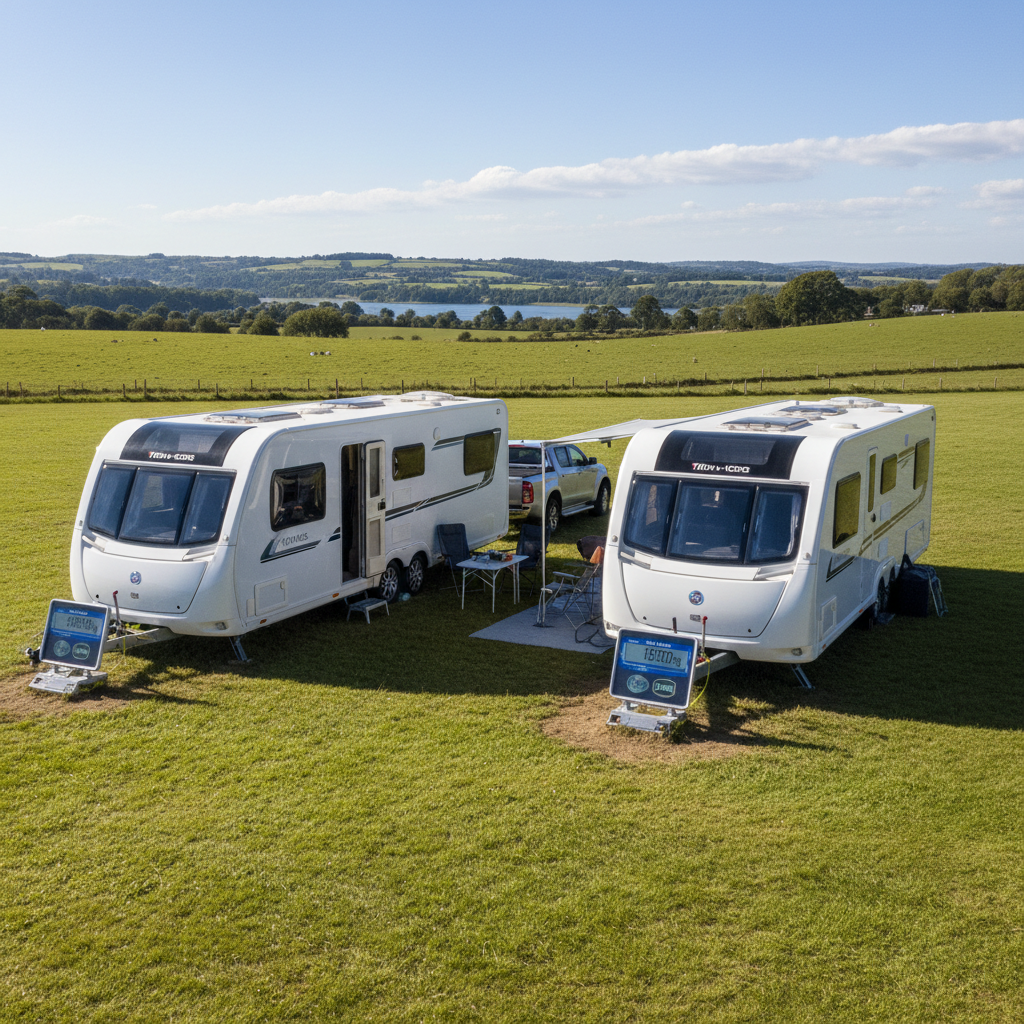
Understanding Payload and Weights for Twin Axle Caravans
Master twin-axle caravan weights for 2026. Learn about the 'Payload Trap', quad-motor movers, and how to stay legal with Gross Train Weight (GTW) limits.
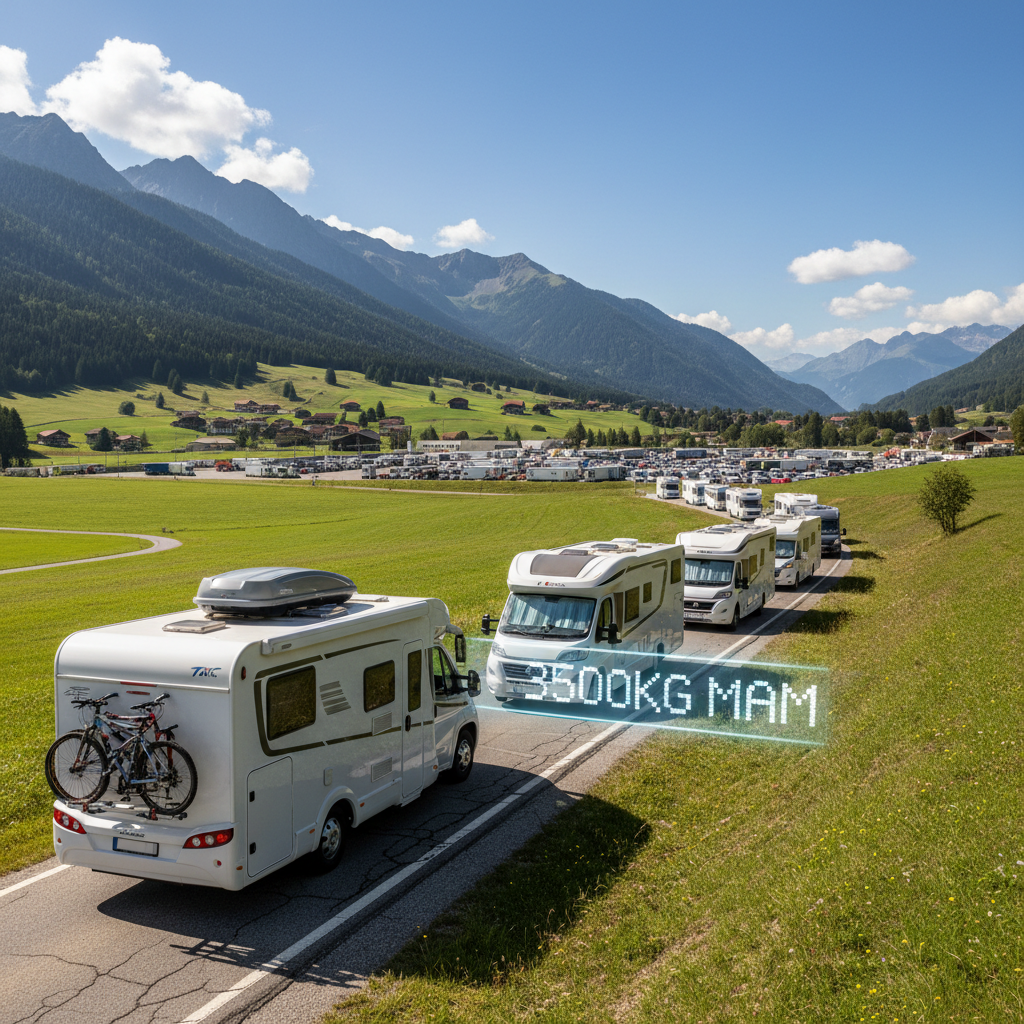
Why the 3500kg Limit is Still the Industry biggest Hurdle
The 3,500kg limit is the biggest hurdle for UK motorhomers. Learn about licensing, payload squeezes, and how to stay legal in 2026 with our expert guide.