
Choosing a campervan base vehicle for a self build
Quick answer: most UK self builds use a Ford Transit Custom, VW Transporter, Mercedes Sprinter, or Fiat Ducato. Pick by payload headroom, parts and servicing access, conversion height options, and how it drives day to day, not just the badge.
Quick answer: most UK self builds use a Ford Transit Custom, VW Transporter, Mercedes Sprinter, or Fiat Ducato. Pick by payload headroom, parts and servicing access, conversion height options, and how it drives day to day, not just the badge.
Ready to find yours?
Put this knowledge into action

RoamWorthy Editorial researches UK caravans, motorhomes and campervans using RoamWorthy marketplace data, primary and official sources, and structured editorial review.
View all articles →Quick Guide: Choosing Your Base Vehicle
- Volkswagen Transporter (T6.1): The gold standard for resale value, 2m height barrier access, and vast aftermarket support.
- Ford Transit Custom: Offers superior width for transverse (width-ways) sleeping and the most extensive UK service network.
- Mercedes Sprinter / VW Crafter: The premier choice for full-time off-grid living due to vertical side walls and payload capacity.
- Euro 6 Compliance: Essential for 2026 urban touring to avoid ULEZ/LEZ charges in London, Bristol, Birmingham, and beyond.
- Payload Management: Always verify the 'Unladen Weight' before building; a 3,500kg Gross Vehicle Weight (GVW) limit is easily reached.
For many, the dream of 'van life' begins not with a glossy brochure, but with a used panel van on a rainy Tuesday. However, the choice of base vehicle is the single most important decision in any conversion project. The engine, chassis, and weight limits you choose today will dictate where you can travel, how much you can carry, and how much the van will be worth in five years. As the spring 2026 market heats up, finding a clean, Euro 6 compliant base is a competitive task.
RoamWorthy's editorial standards ensure this guide focuses on mechanical reliability and legal compliance over aesthetic trends.
The Most Popular Base Vehicles for 2026
1. The Compact King: Volkswagen Transporter (T5/T6/T6.1)
The Volkswagen Transporter is the default choice for a reason. Its compact dimensions make it a viable daily driver, it fits under 2m height barriers, and the aftermarket for campervan components (swivel seats, pop-tops, kitchen pods) is enormous. In the 2026 market, T6.1 models with the DSG automatic gearbox are commanding the highest resale premiums. Check our used campervans section to see how well these hold their value.
2. The Value Champion: Ford Transit Custom
The Transit Custom is often wider than the Transporter, allowing for a 'width-ways' bed in some builds—a huge space-saver. It is generally cheaper to buy and maintain, with a Ford dealer in almost every UK town. For a 2026 build, look for the 'Limited' trim which includes creature comforts like air conditioning and parking sensors as standard. Use our Campervan Conversion Checker to see how a Transit layout compares.
3. The Off-Grid Giant: Mercedes Sprinter or VW Crafter
If you plan on living in your van or spending weeks away, you need a 'Large' van. The Sprinter and Crafter offer the straightest side walls, making them much easier to insulate and clad. The MWB (Medium Wheelbase) versions are the 'sweet spot', offering enough room for a fixed bed and a shower without being impossible to park in a standard supermarket space. Be mindful of the Motorhome Weight Checker limits when adding heavy timber cladding.
The Three 'Hard' Checks Before You Buy
Before you get excited about the interior layout, you must perform these mechanical and legal audits:
The Pre-Purchase Base Vehicle Audit
- Euro 6 Compliance: In 2026, a non-Euro 6 diesel van is a significant liability. Check the registration on the GOV.UK CAZ checker. Most vans registered after September 2016 are compliant.
- MOT History: Use the DVSA MOT check. Look for recurring advisories regarding rust or suspension wear. If a van has been used for heavy 'multi-drop' delivery work, it will have suffered significantly more wear than a 'service' van.
- Payload Reality: Every piece of timber, every battery, and every litre of water you add will subtract from the van's payload. A standard 3,500kg Sprinter is easy to overload. Use our base check tool to verify starting weights.
- Timing Belt and Service: Ask for proof of the last timing belt (cam belt) change. On a Transporter, this is a critical maintenance item every 4-5 years or 80,000 miles.
Manual vs. Automatic
For touring, an automatic gearbox (like VW's DSG or Mercedes' 9G-Tronic) is highly desirable, reducing fatigue on long hauls and making hill starts in the Peak District effortless. However, automatic vans are typically £2,000-£3,000 more expensive on the used market. If your budget is tight, a well-maintained 6-speed manual is a reliable and cost-effective alternative.
Frequently Asked Questions
What is the best mileage for a base van?
Aim for a van with under 80,000 miles and a full service history. Whilst modern diesel engines can easily exceed 200,000 miles, the suspension, clutch, and ancillaries (turbo/alternator) begin to require significant investment as you cross the 100k mark.
Can I convert a 'Van with Windows' (Kombi)?
Yes. Starting with a Kombi or shuttle van is often easier as the windows and some insulation/lining are already present. However, check that the V5C classification doesn't restrict your speed limits more than a standard panel van (dual carriageway limits often differ for car-derived vans vs. panel vans).
Is rust a major issue?
On older Sprinters and Transits (pre-2015), yes. Always inspect the inner sills, wheel arches, and the area around the windscreen. Structural rust is an automatic MOT failure and can make a conversion project economically unviable. Always check the kerb weight before and after rust repairs.
Ready to start your build?
Once you've secured your base, ensure you understand the legalities of your project with our Conversion Compliance Guide or explore different layouts for inspiration.
Ready to find yours?
Put this knowledge into action
Related Makes & Models
Spotted an error? Let us know.
Continue Reading
More expert guides to help you make informed decisions

Preventing Condensation and Mould in Your Campervan
Stop mould and damp in your campervan. Learn about the 2-litre rule, BS EN 721 ventilation standards, and why diesel heaters are the best for UK van life.
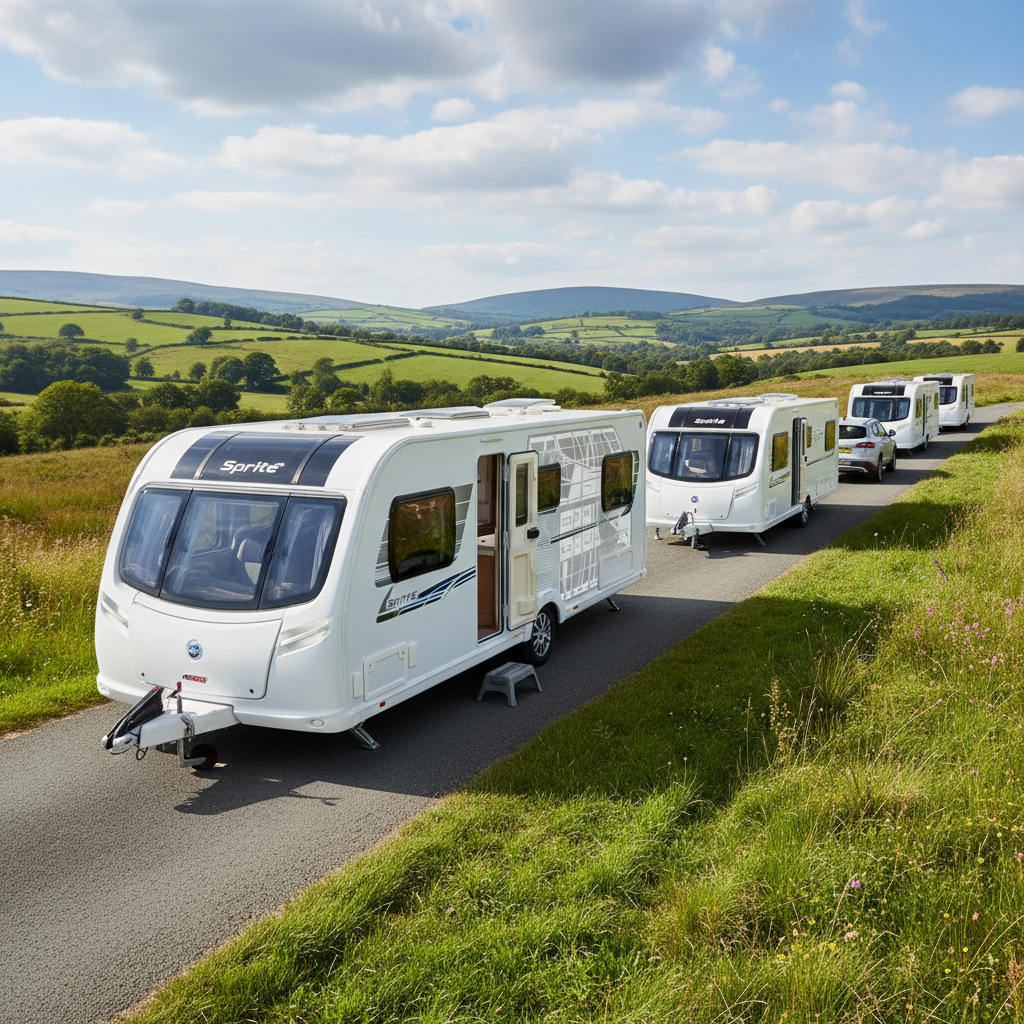
Swift Sprite Caravan Range Guide and Review
Discover why the Swift Sprite remains the UK's best-selling caravan range. Our 2026 review covers SMART construction, layouts, and essential towing advice.
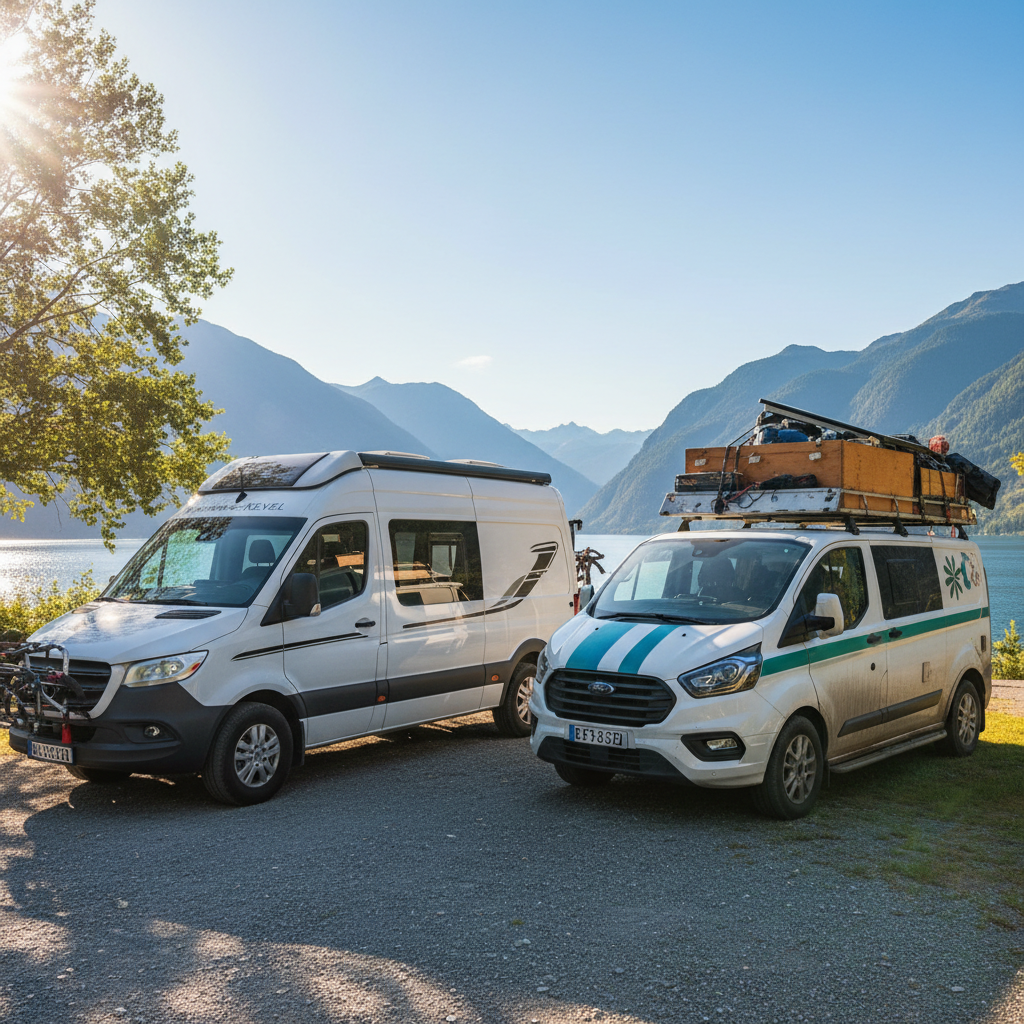
Resale Value of Professional versus DIY Camper Conversions
Professional campervan conversions retain 20% more value than DIY builds in 2026. Learn how to maximise your resale value with our market-led guide.