
Habitation Checks Explained What a Report Really Tells You
What does a motorhome habitation check actually cover? Learn how to read damp reports, verify AWS standards, and use the results as a negotiation tool in 2026.
What does a motorhome habitation check actually cover? Learn how to read damp reports, verify AWS standards, and use the results as a negotiation tool in 2026.
Ready to find yours?
Put this knowledge into action

The RoamWorthy editorial team combines decades of caravan, motorhome and campervan ownership experience with industry expertise to provide trusted buying advice.
View all articles →- Safety First: A habitation check (hab-check) is a safety and functional inspection of the 'living' area, distinct from an MOT or mechanical service.
- Snapshot Status: The report confirms safety and functionality on the day of testing but does not guarantee future component reliability.
- Damp is Critical: Moisture readings are the most vital part of the report; look for trends over multiple years rather than a single result.
- Warranty Protection: For 2026, ensure the technician is AWS (Approved Workshop Scheme) certified to maintain manufacturer warranties.
A habitation check is one of the best “boring adult” moves you can make when buying a used motorhome or campervan. However, the biggest mistake buyers make is treating it like a lifetime guarantee. In reality, a good report is a decision-making tool, not a spell that removes all future risk.
What a Habitation Check Covers (and Why It Matters)
While exact checklists vary between workshops, a standard inspection following NCC (National Caravan Council) guidelines usually covers five core areas:
- Damp & Water Ingress: A technician uses a moisture meter to check for leaks in the seals, floor, and walls. This is the 'silent killer' of motorhomes, often affecting areas like the rear light clusters on a Bailey Autograph or window seals on a Swift Challenger.
- Gas Systems: A pressure leak test (manometer test) and checks on regulator health, hose ages, and ventilation. This ensures no lethal carbon monoxide leaks or fire risks.
- Electrical Systems: Testing both 12V (leisure battery/charging) and 230V (mains hook-up) circuits, including RCD trip times and earth bonding.
- Water Systems: Checking the pump, taps, and seals for leaks, and ensuring the waste system isn't blocked or contaminated.
- Fire & Safety: Testing smoke alarms, CO detectors, and fire extinguishers, as well as checking window stays and door locks for security.
What It Does NOT Cover
It is vital to understand the limits of a hab-check to avoid expensive surprises:
- Mechanical Roadworthiness: It does not cover the engine, gearbox, brakes, or tyres. You still need an MOT and a mechanical service for the base vehicle (e.g., Fiat Ducato or VW Transporter).
- Deep Appliance Diagnostics: The tech will check if the fridge or heater fires up on all power sources, but they won't necessarily run a 24-hour stress test on cooling efficiency.
- Hidden Modifications: If a previous owner has performed DIY 'bodges' behind permanent panels, a standard check may not uncover them unless they cause a circuit failure or leak.
Actionable Checklist: Reviewing a Report
- [ ] Check the Date: Is the report less than 12 months old? (Ideally within the last 3 months for a sale).
- [ ] Verify the Inspector: Was it done by an Approved Workshop Scheme technician? This is the gold standard for UK leisure vehicles.
- [ ] Scrutinise Damp Percentages:
- 0-15%: Normal, no action required.
- 15-20%: Requires monitoring; may indicate the start of an issue.
- 20-30%: Action required; usually indicates an active leak and potential structural damage.
- Over 30%: Structural damage is likely; immediate repair needed.
- [ ] Look for 'Advisories': These are often early warnings of repairs (like ageing gas hoses) that will be needed before the next season.
How to Read the Report Like a Pro
Look beyond a simple “pass” or “fail”. When browsing Motorhome Models from premium brands like Niesmann And Bischoff, Laika, or Bürstner, look for a consistent paper trail. A single clean report is helpful, but a five-year history of clean reports proves the vehicle has been stored correctly and maintained.
If you are looking at a Campervan Conversion, pay extra attention to the gas safety sign-off. For professional conversions like those from Jerba Sanna or Vanworx, the habitation check should also verify the security of the rock-and-roll bed and any pop-top roof seals.
The Best Question to Ask a Seller
“Can I see the last two habitation reports and the damp readings associated with them?”
If a seller cannot produce these, or if the readings show a sudden jump in moisture levels in one specific corner (common in larger models like the Bailey Alicanto Grande), you have a powerful negotiation lever. Lack of history on a newer van may also mean the manufacturer's ingress warranty is void.
If the Report Flags Damp
Do not panic, but do not ignore it. Damp is a cost and a negotiation point. If the report shows high readings, get a quote for the resealing work from an AWS workshop. If the seller cannot explain the readings or refuses to acknowledge them, it is time to pause the purchase. For more detail, see our comprehensive damp check guide.
Frequently Asked Questions
How often should I get a habitation check?
Annually. For newer vans, this is usually a mandatory condition of your water ingress warranty. For older vans, it is your early warning system against rot and gas leaks.
Does a habitation check include the chassis?
In motorhomes, no. The chassis is part of the mechanical service. In caravans, it includes the AL-KO or BPW chassis, hitch, and corner steadies. For motorhomes, use our Motorhome Weight Checker to ensure your payload hasn't been compromised by heavy additions (like bike racks or solar panels) not covered in the check.
Is a 'Gas Safe' certificate the same as a hab-check?
No. A Gas Safe certificate specifically covers gas appliances and is a legal requirement for vehicles used for hire (Landlord's Certificate). A habitation check includes gas as one of many components but is not a substitute for a Gas Safe certificate if you intend to rent the vehicle out.
What to Do Next
- Browse used motorhomes and filter your shortlist by those with a full service history.
- Browse campervans and treat habitation documentation as a value-adding feature, not a footnote.
- If you're buying a larger model like a Bailey Alicanto Grande Deluxe Porto, ensure the habitation check includes a specific look at the floor-to-wall joints and any slide-out seals.
- Check your potential vehicle's towing capacity with our Caravan Towing Calculator if you plan to pull a trailer behind your motorhome.
Ready to find yours?
Put this knowledge into action
Related Tools
Related Makes & Models
Spotted an error? Let us know.
Continue Reading
More expert guides to help you make informed decisions
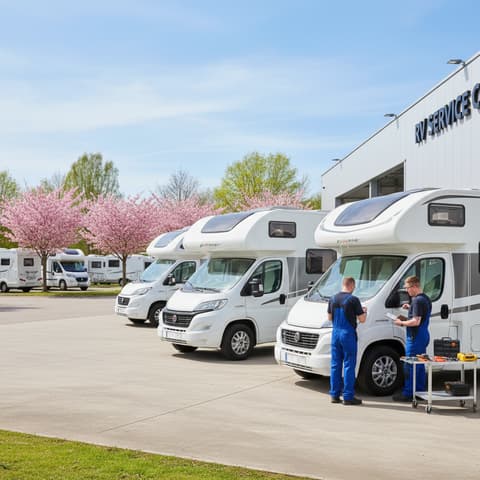
Essential Guide to Motorhome Habitation Checks in Spring
Ensure your motorhome is safe for 2026 with our guide to habitation checks. Learn about damp reports, gas safety, and maintaining your manufacturer warranty.
Campervan rust checks that save you thousands
Don't buy a money pit. Learn how to spot structural rust, decode MOT histories, and identify 'cover-up' underseal before buying your next UK campervan.

Campervan pop tops what to check before you buy
Buying a campervan with a pop-top? Use our 2026 expert inspection guide to check canvas condition, safety locks, and weatherproofing before you buy.