
Motorhome layouts that suit dogs without the chaos, a UK buyer guide
Quick answer: dog-friendly motorhome layouts are about safe travel, easy clean-up and a settled sleeping spot. Low step entry, hard wipe-clean floors, a sensible travel restraint, ventilation and a layout that lets the dog rest away from the door all matter more than the badge on the bonnet.
Quick answer: dog-friendly motorhome layouts are about safe travel, easy clean-up and a settled sleeping spot. Low step entry, hard wipe-clean floors, a sensible travel restraint, ventilation and a layout that lets the dog rest away from the door all matter more than the badge on the bonnet.

The RoamWorthy editorial team combines decades of caravan, motorhome and campervan ownership experience with industry expertise to provide trusted buying advice.
View all articles →Quick answer
Layout matters far more than brand when you tour with a dog. The features that actually help are: a low or single-step entry, hard wipe-clean flooring, a travel restraint or crate point that meets the Highway Code, a settled rest spot away from the door, and enough ventilation for warm days.
Who this guide is for
- Dog owners choosing a first motorhome.
- Existing owners trading up who want a layout that works better with a dog on board.
- Anyone considering a coachbuilt, A-class or van conversion with a dog in mind.
Layout features that help
- Low or single-step entry: older dogs and small breeds struggle with a steep double step.
- Hard, wipe-clean floor: vinyl or wood-effect floors are far easier than carpet on a wet weekend.
- Designated rest spot away from the door: a forward lounge or front cab area, not the entry mat.
- Fixed rear bed: the under-bed garage often makes a sensible travel-day crate space for medium dogs, if properly secured and ventilated.
- Wet locker or garage with drain: useful for towels, paws and muddy leads.
Layout features to be wary of
- Loft beds with vertical ladders. Most dogs cannot climb them, and lifting a wet 30 kg dog up daily is no fun.
- Drop-down beds over the lounge. They reduce headroom and can unsettle anxious dogs at night.
- Carpeted slide-out steps. They get filthy and never quite dry.
- Front lounges with a tall heater plinth. Some dogs camp on the heater and the layout makes that worse.
Travel safety
UK Highway Code rule 57 expects dogs to be suitably restrained so they cannot distract the driver or injure anyone in a stop. In a motorhome that usually means a properly fitted harness on a belted seat, or a secured crate. A loose dog roaming the habitation area on the move is not compliant and is not safe in a crash.
Hot weather and ventilation
- Roof lights front and rear give cross-flow ventilation on hot days.
- A habitation window above the bed area helps when parked up.
- Never leave a dog in a parked motorhome in summer without active monitoring. Internal temperatures can rise quickly.
Buyer checks before you sign
- Walk the dog into the showroom van and time how long they settle.
- Check the step height with the dog beside you, not on paper.
- Look at the rest spot you would actually use. Is it away from the door, the cooker and the cab?
- Confirm a belted seat or a crate point for travel restraint.
- Check the floor material. Carpet patches around the entry are a maintenance trap.
- Plan where wet kit lives. A wet locker or rear garage with a drain is a real upgrade.
What this guide is not
This is general layout guidance, not veterinary or training advice. Dogs vary widely. Visit a dealer with the dog, not without.
Related guides and listings
Related on RoamWorthy
Related Tools
Spotted an error? Let us know.
Continue Reading
More posts to help you make informed decisions
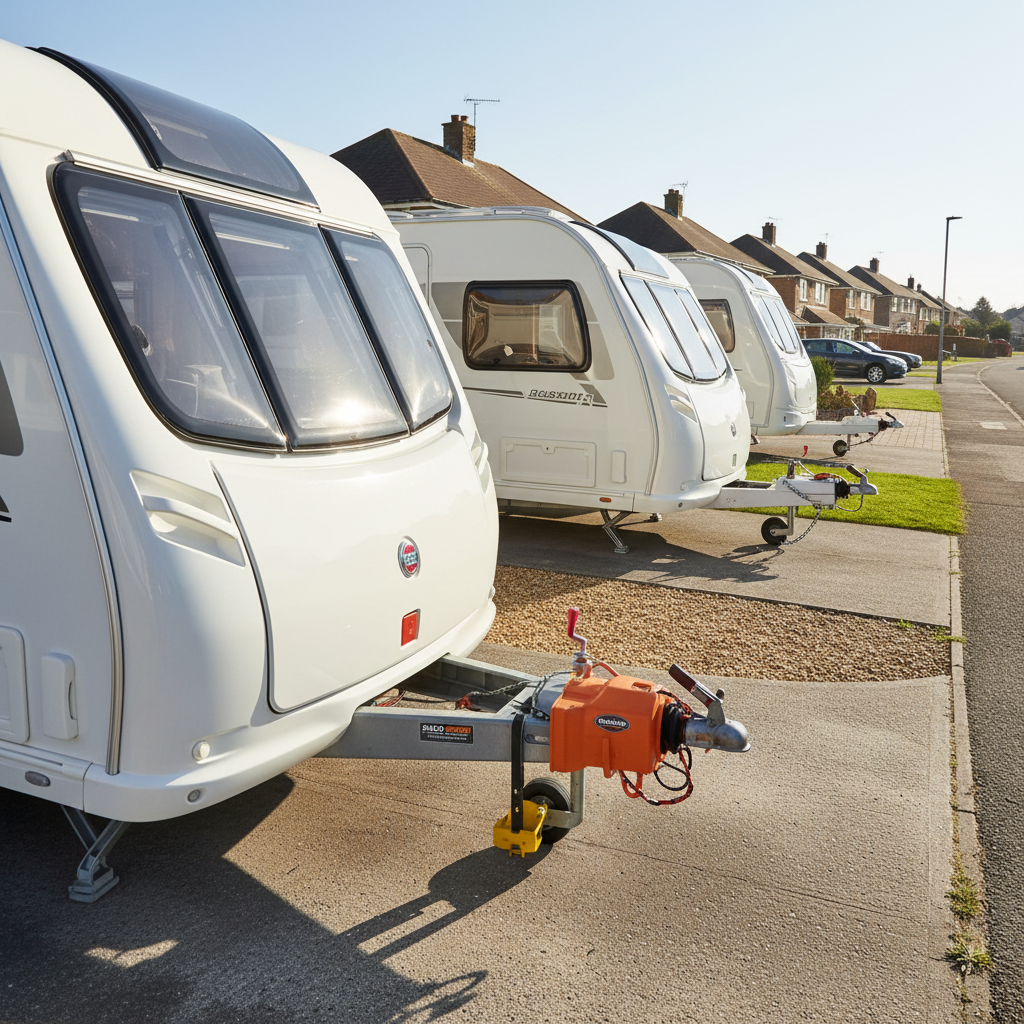
Five Essential Security Upgrades for Your Driveway Storage
Protect your caravan or motorhome in 2026 with our expert guide to driveway security. From Sold Secure locks to Thatcham S5 trackers, secure your investment.
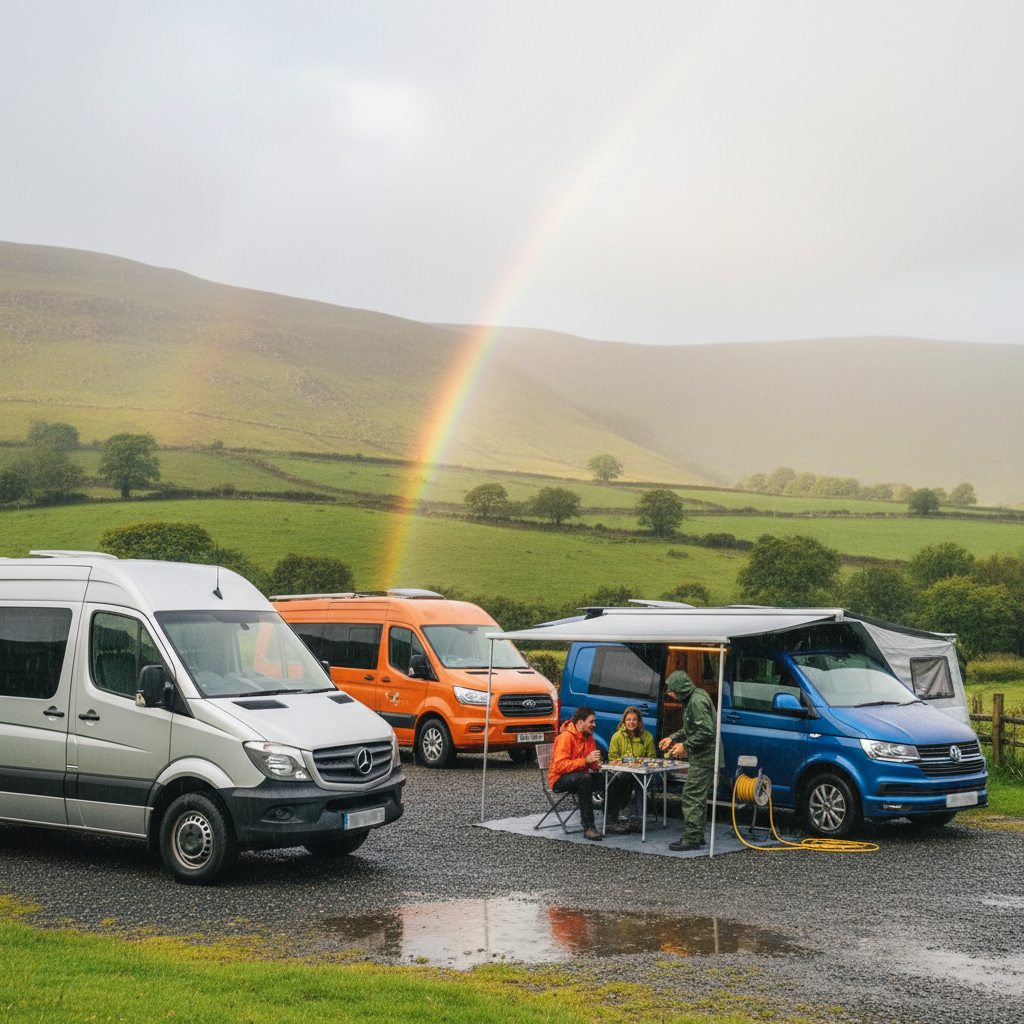
Campervan touring Wales the rain plan that still feels like a holiday
Don't let the Welsh weather dampen your spirits. Master the art of rainy-day touring with our expert guide to moisture control, safe driving, and indoor gems.
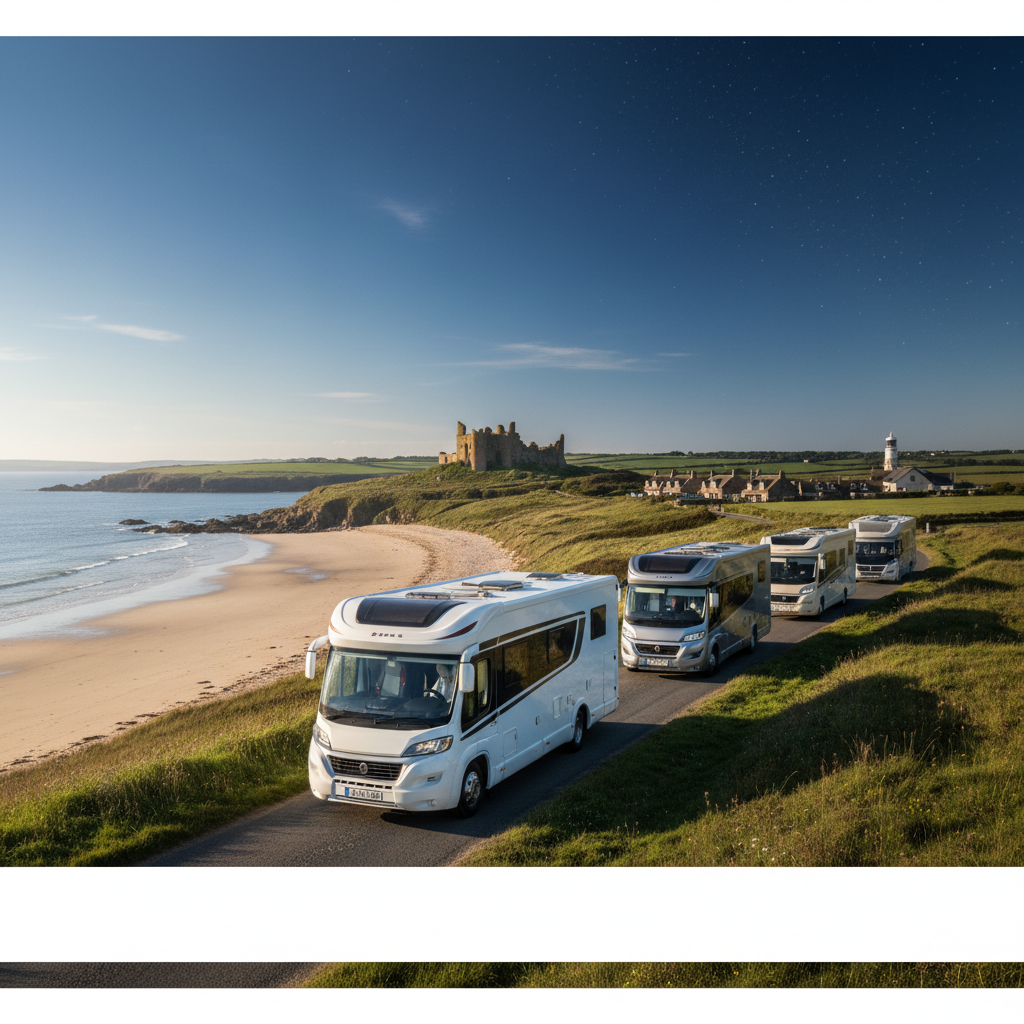
Motorhome touring Northumberland the quiet alternative to the obvious spots
Discover Northumberland: the quiet motorhome alternative. Explore rugged coasts, 70+ castles, and Europe's largest Dark Sky Park with our expert 2026 touring guide.