
Pop-top or high-top and what you trade off
Choosing between a pop-top and high-top campervan? Compare insulation, height barriers, and storage to find the perfect roof for your UK adventures in 2026.
Choosing between a pop-top and high-top campervan? Compare insulation, height barriers, and storage to find the perfect roof for your UK adventures in 2026.
Ready to find yours?
Put this knowledge into action

The RoamWorthy editorial team combines decades of caravan, motorhome and campervan ownership experience with industry expertise to provide trusted buying advice.
View all articles →- Pop-tops are ideal for daily drivers, multi-storey car parks, and summer weekends, but suffer from poor insulation and noise.
- High-tops offer permanent standing room, superior thermal insulation, and extra storage, but are restricted by height barriers.
- Key Decision Factor: If you plan to camp in the UK during winter or want a 'stealth' look, a high-top is generally superior; for urban flexibility, choose a pop-top.
- 2026 Trend: Electric pop-tops and ultra-slimline profiles are bridging the gap, while high-tops are becoming the standard for 'work-from-van' digital nomads.
Roof choice is one of those decisions that feels cosmetic until you live with it. Then it becomes the difference between “this van fits my life” and “why did I do this to myself?” Whether you are looking at a factory-built Volkswagen California or a bespoke conversion from Campervan Models specialists like Vanworx or CMC Reimo, the roof defines your van's DNA.
In 2026, the choice is no longer just about height; it’s about thermal efficiency, digital nomad requirements, and the increasingly strict UK parking regulations. Here is the honest trade-off for modern campervan owners.
1. The Pop-top (Elevating Roof)
Best for: Weekend escapes, daily driving, and maximum urban flexibility.
Pop-tops are the classic "Weekender" move. They keep the van easy to park, easy to drive, and easy to use as a primary vehicle. Brands like Jerba Sanna often utilise these to maintain a car-like driving experience on base vehicles like the VW Transporter or Ford Transit Custom.
The Advantages
- Height Clearance: Most pop-top Transporters stay under 2.0m (typically 1.98m), allowing access to multi-storey car parks and height-restricted beach car parks.
- Fuel Economy: Lower aerodynamic profile means slightly better MPG on long motorway hauls compared to a permanent high-top.
- The 'Upstairs' Bed: Provides a secondary sleeping area, essential for families using four-berth layouts.
- Ventilation: In peak summer, the zip-down canvas provides superior airflow compared to a fixed roof.
The Compromises
- Thermal Performance: Fabric sides are not your friend in a British winter. Even with a 'thermal wrap' or 'iso-top', heat loss is significant.
- Acoustics: Canvas offers zero soundproofing. You will hear every gust of wind, rain droplet, and campsite neighbour.
- The Ritual: You must clear the roof, pull down the bed, and tuck in the canvas every time you want to drive. This can be a chore in heavy rain.
2. The High-top (Fixed Roof)
Best for: Full-time van life, winter touring, and maximum storage.
High-tops suit "Tourer" and "Explorer" styles because they make the van feel like a tiny home rather than a clever tent. You'll often see these on larger base vehicles like the Crafter or Sprinter, but they are increasingly popular on medium vans for those seeking year-round comfort.
The Advantages
- Permanent Standing Room: No setup required. You can stand up to make a coffee the moment you pull over at a rainy service station.
- Insulation: A fixed roof can be fully insulated with materials like Celotex or recycled plastic wool, making it viable for year-round UK use.
- Storage: High-tops allow for overhead lockers, which are vital for long-term trips.
- Stealth: From a distance, a high-top often looks like a standard commercial work van, which can be an advantage for discreet overnighting.
- Solar Potential: More surface area for permanent, high-wattage solar panels without worrying about cable fatigue from folding.
The Compromises
- Height Restrictions: You are barred from most multi-storey car parks and many coastal 'anti-van' barriers (often set at 2.0m or 2.1m).
- Ferry & Toll Costs: Some routes (particularly in France or on certain UK ferries) may move you into a higher price bracket based on the 2.0m height threshold.
- Wind Sensitivity: A higher profile makes the van more susceptible to crosswinds on motorways, which can be tiring on long drives.
The Decision Matrix: Which is right for you?
Before committing, use our Campervan Conversion Checker to see how roof weight impacts your payload. Ask yourself these four questions:
- Will you use the van in winter? If yes, the high-top’s insulation is a game-changer for moisture control and warmth.
- Is this your only vehicle? If it's your daily driver, a pop-top's ability to enter car parks is almost mandatory for supermarket runs.
- How much gear do you carry? High-tops offer significantly more storage for clothing and equipment.
- Do you prefer 'Stealth' or 'Classic'? Pop-tops look like campers; high-tops can look like delivery vans.
Practical Checklist Before Buying
- Check Driveway Height: Measure your driveway or garage height before choosing a high-top.
- Scenic Canvas: If choosing a pop-top, ensure it has a "scenic canvas" option for better ventilation and views.
- V5C Updates: Verify the V5C classification; while the DVLA has strict rules on "Motor Caravan" status, adding a roof may require updating the vehicle's body type description.
- Gas Struts: Test the 'pull-down' strength of a pop-top; some gas struts are very stiff for shorter users.
- Weight Check: Use our Motorhome Weight Checker to ensure a heavy high-top doesn't push you over your MAM (Maximum Authorised Mass).
Frequently Asked Questions
Does a pop-top affect my insurance?Yes. Any structural modification must be declared. Most specialist insurers are familiar with pop-tops, but it may slightly increase your premium due to the vehicle's increased value and structural change.
Can I fit a roof rack to a pop-top?Yes, but you must check the weight limit. Most pop-tops can only support 25-50kg when closed, and significantly less (or nothing) when elevated. Exceeding this can damage the lifting mechanism or gas struts.
Is a high-top more expensive on UK ferries?Often, yes. Many ferry operators (like DFDS or P&O) and the Eurotunnel use a 1.85m or 2.0m height threshold for "standard car" pricing. High-tops almost always fall into the higher-priced van or motorhome category.
Can I convert a pop-top to a high-top later?Technically possible, but financially and structurally complex. It involves removing the existing mechanism and reinforcing the roof aperture. It is usually more cost-effective to sell and buy a van with the desired roof type.
Ready to see the difference in person? Browse campervan models or find used campervans for sale to compare layouts side-by-side.
Ready to find yours?
Put this knowledge into action
Related Makes & Models
Spotted an error? Let us know.
Continue Reading
More expert guides to help you make informed decisions
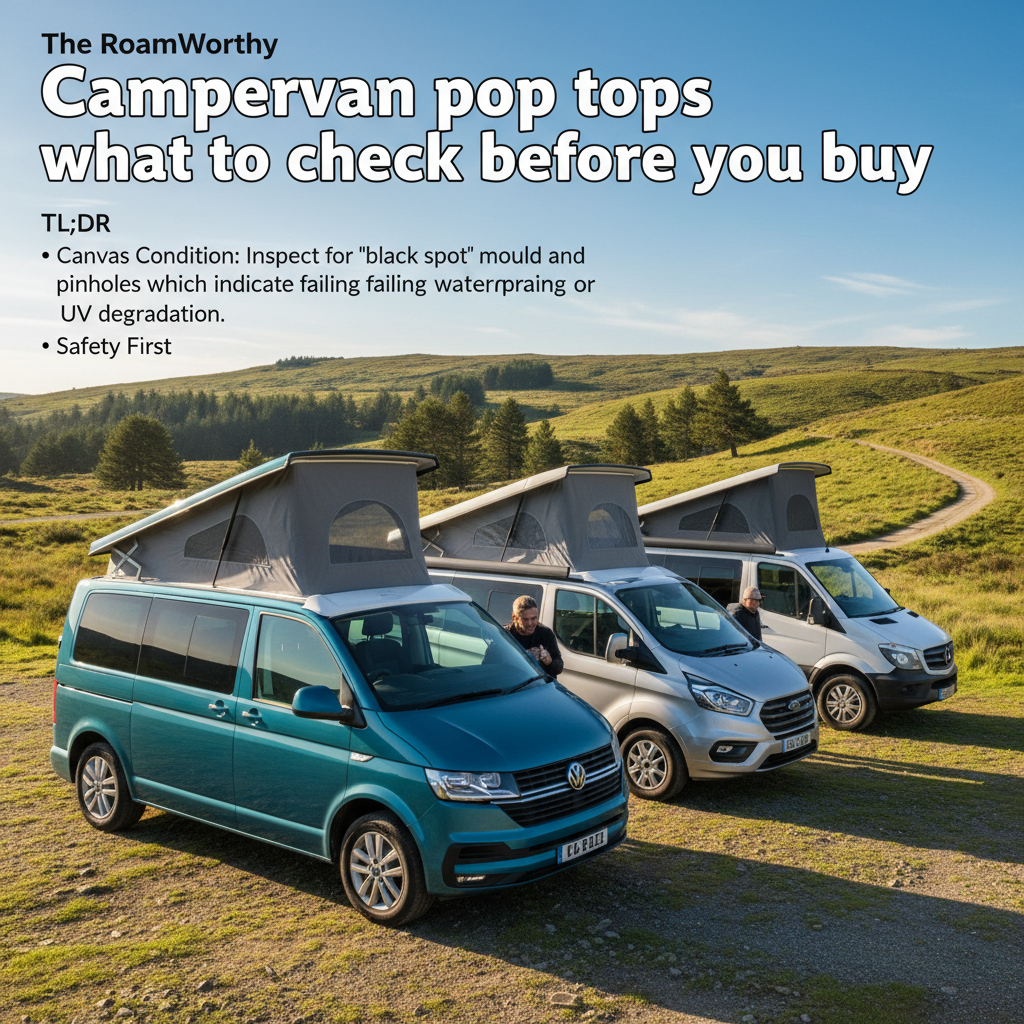
Campervan pop tops what to check before you buy
Buying a campervan with a pop-top? Use our 2026 expert inspection guide to check canvas condition, safety locks, and weatherproofing before you buy.
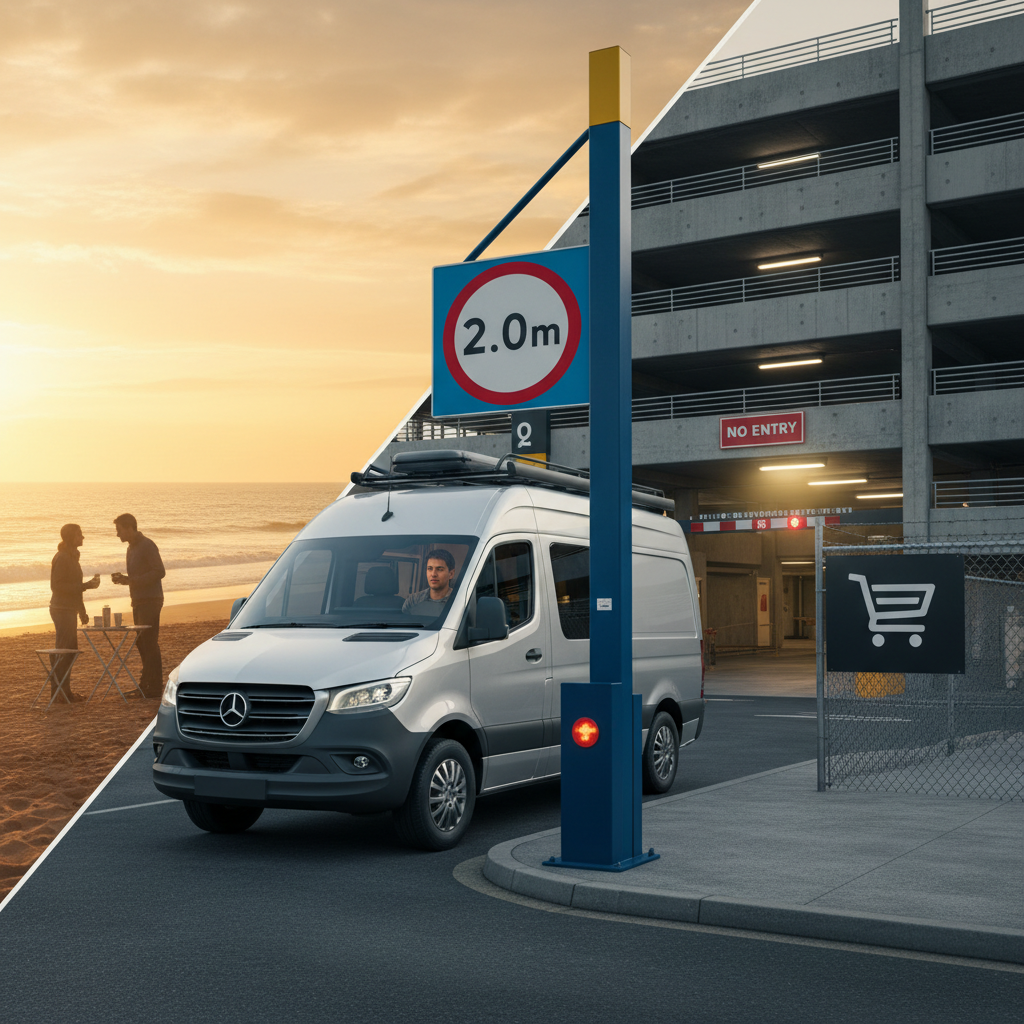
Campervan Height and Parking Barriers Car Parks Ferries and Real World Stress
Will your campervan fit? Learn about 2.0m height barriers, ferry surcharges, M6 Toll classes, and the practical differences between pop-tops and high-tops.
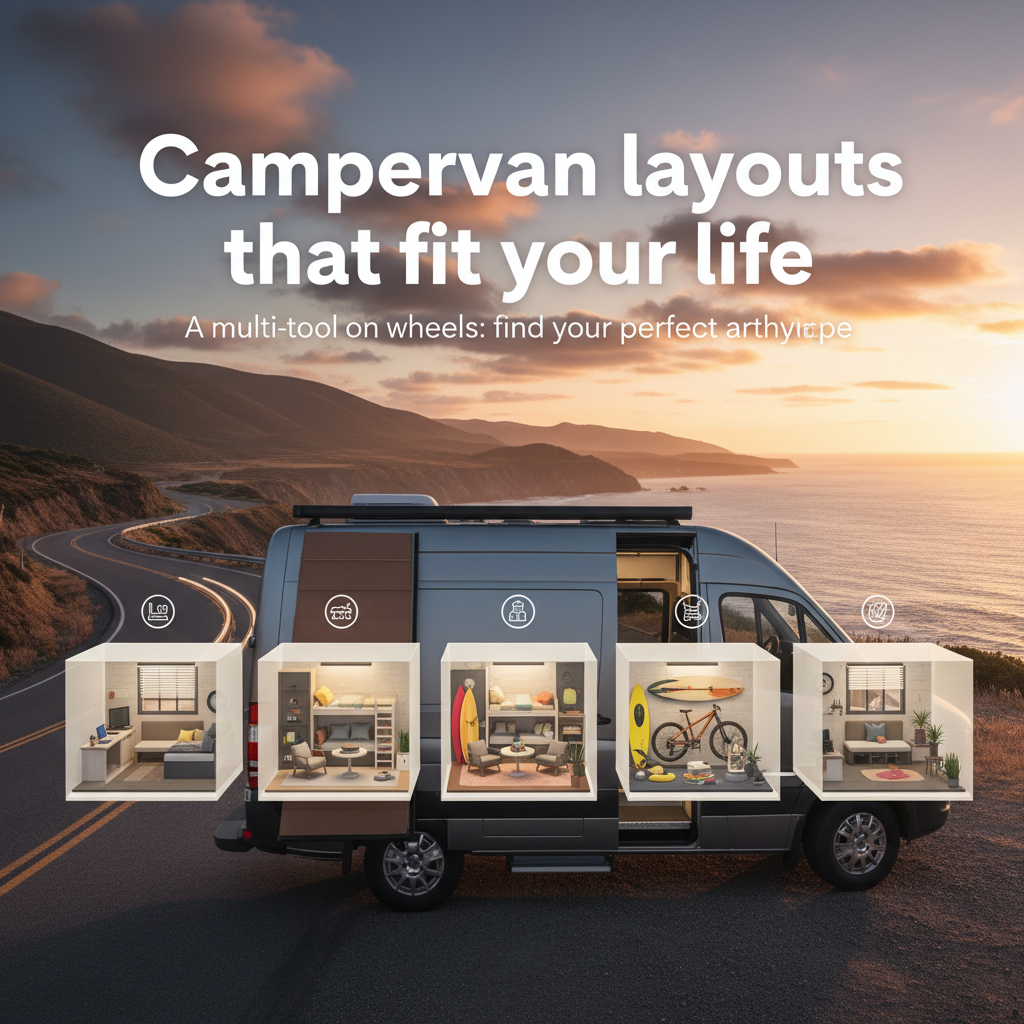
Campervan layouts that fit your life
Choosing the right campervan layout is critical for UK vanlife. From side-kitchen Weekenders to fixed-bed Explorers, find the perfect configuration for 2026.