
Best Explorer Campervans (2026 Buyer's Guide)
The Explorer layout is built for longer adventures and self-sufficient touring. These campervans typically include larger fresh water tanks, more comprehensive kitchen facilities, additional storage, and sometimes fixed beds or higher-spec pop-tops. The Explorer bridges the gap between a simple weekender and full-time living. Exact layouts and specifications vary by conversion, so always check the details of the individual vehicle. This guide covers what defines an Explorer layout, who it suits, and the practical trade-offs. Matching explorer campervans for sale are shown below.
Interactive Layout

Compact day van
Rear rock & roll bed
Big days out and deep sleeps in - fixed bed comfort plus storage for gear
View models with this layoutCompare with similar layouts
What Is a The Explorer Campervan Layout?
Explorer layouts expand on the basic weekender formula with touring-focused upgrades: larger water tanks (40-60 litres), upgraded leisure batteries, full-length side kitchens, more wardrobe space, and sometimes fixed rear beds or rock-and-roll beds with proper mattresses. Many include heating systems for year-round use.
Who Is This Layout Best For?
Best for couples or solo travellers who take week-long trips or extended touring holidays. Suits people who want more self-sufficiency than a weekender but do not want a full motorhome. Also popular with remote workers who combine travel with work.
Pros and Cons of a The Explorer Campervan
Advantages
- More self-sufficient with larger tanks and better storage
- Often includes heating for year-round use
- Still compact enough for daily driving
Drawbacks
- Higher price point than basic weekender layouts
- Added weight reduces payload for gear
- Can still feel cramped for extended stays in bad weather
The Explorer Campervans Available Now
These campervans match the layout discussed above and are currently available from UK dealers.
2023 Adria TWIN Supreme 600 SPB
£68,995
2019 Volkswagen T6.1 T32 Sportline BiTurbo Campervan
£43,987
2025 Volkswagen SPARTAN Camper T7
£74,250
2014 NuVenture Compact Campervan
£19,995
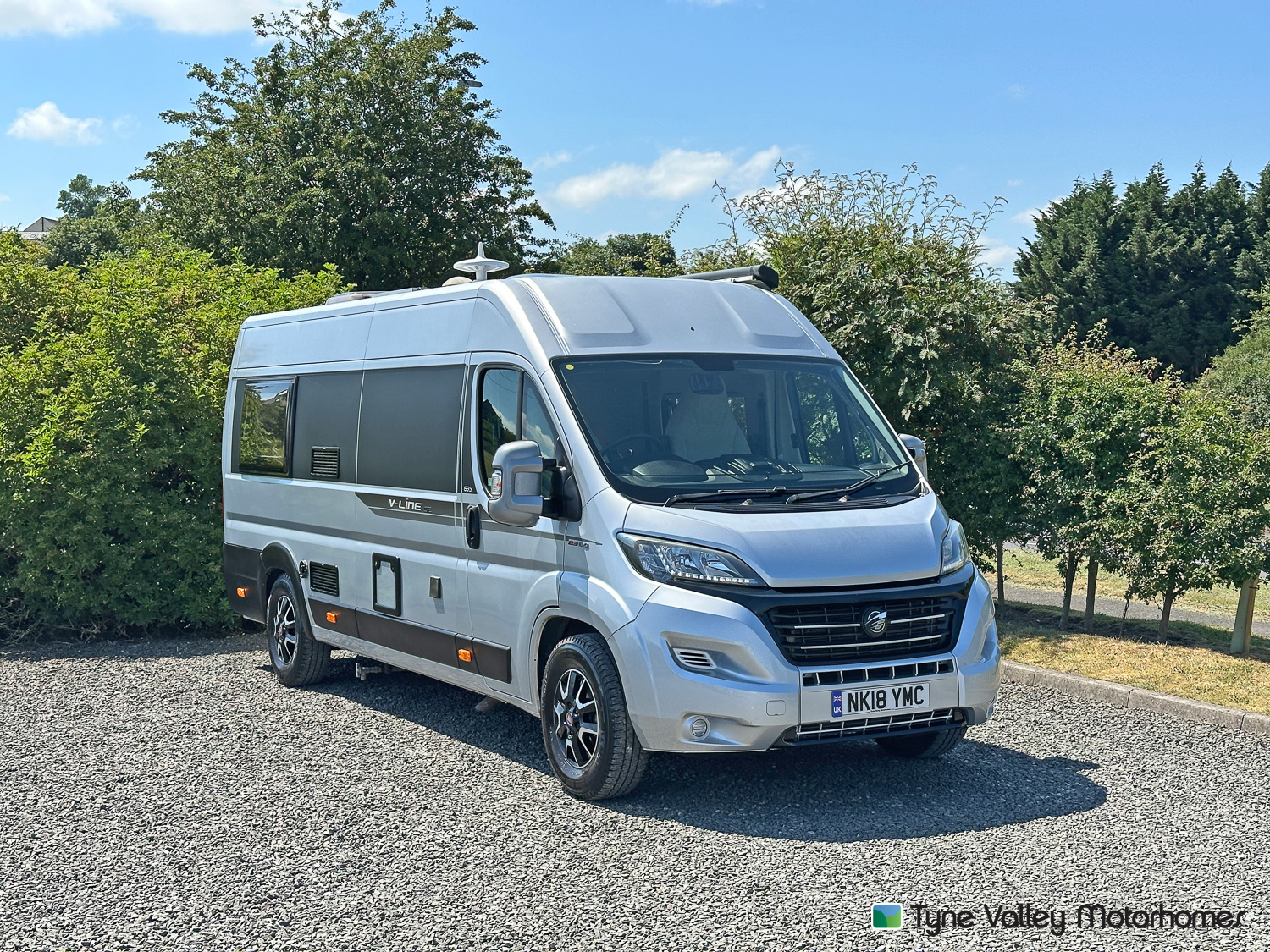
2018 Auto-Trail V Line 635 Se
£48,995

2026 Adria Twin Supreme
£95,390
Towing and Practical Considerations
Explorer campervans are heavier than basic conversions due to additional equipment. Check that the spec you want keeps you under 3,500kg if licence is a concern. Payload can be tight once you add water, gear, and passengers.
Common Mistakes to Avoid
- Overspeccing with features you will not use regularly
- Not checking realistic payload after water and equipment
- Choosing high-roof when pop-top would suffice for occasional use
What to Check When Viewing This Layout
- Heating system type and service history (if fitted)
- Electrical setup: battery type, solar, DC-DC charging
- Fresh and waste water tank size and location
- Fridge type and power draw
- Payload remaining after water, passengers, and gear
Frequently Asked Questions
Most explorer layouts have 40-60 litre fresh water tanks. Larger is better for off-grid stays, but adds weight. Consider how often you will have access to water refills.
Many do, but not all. Diesel heaters (Webasto, Eberspächer) are most common. Check whether heating is fitted and whether it has been serviced recently.
Yes, many are well-suited for remote work with upgraded electrical systems. Check leisure battery capacity, solar provision, and whether there is a comfortable workspace.
You May Also Want to Consider
Compare This Layout
View all comparison guides →Explore Other Campervan Layouts
Continue Exploring
Browse Campervans for Sale
Browse live dealer stock
Campervan Dealers
Buy from UK dealers
Campervan Layout Finder
Weekend to tourer layouts
Weekender Layout Guide
Daily-drive + weekend escapes
Socialite Layout Guide
Big lounge comfort
Tourer Layout Guide
Extended touring setup
Conversion Checker
Check base vehicle specs