
Running costs, what it really costs to own a caravan or motorhome
Unlock the true cost of caravan and motorhome ownership in 2026. From storage and insurance to habitation checks, learn how to budget for stress-free touring.
Unlock the true cost of caravan and motorhome ownership in 2026. From storage and insurance to habitation checks, learn how to budget for stress-free touring.
Ready to find yours?
Put this knowledge into action

The RoamWorthy editorial team combines decades of caravan, motorhome and campervan ownership experience with industry expertise to provide trusted buying advice.
View all articles →- Annual Budget: Allocate £1,500 to £3,000 for fixed upkeep, excluding fuel and site fees.
- Motorhome Premium: Expect 30-50% higher maintenance costs for motorhomes due to VED, MOTs, and engine servicing.
- Safety First: Annual habitation checks are essential for warranty validity and detecting damp early.
- Hidden Costs: Factor in tyre replacement every 5 years and the 'accessory creep' of first-year ownership.
- Legal Compliance: Ensure your driving licence covers the Maximum Authorised Mass (MAM) of your chosen outfit.
The purchase price of a caravan or motorhome is just the headline figure. The true cost of ownership is found in the recurring annual expenses. If you plan for these early, your adventures remain stress-free; if you ignore them, the vehicle can quickly become a 'driveway ornament' that feels too expensive to move.
The Reality of Ownership Costs in 2026
Whether you are eyeing a luxury Bailey Alicanto Grande Deluxe Porto or a compact Swift Basecamp Plus, the fixed costs of ownership remain relatively consistent. For motorhomes like the Auto-Trail Imala or Volkswagen California, you must also factor in the mechanical complexities of a motorised vehicle, which includes rising Vehicle Excise Duty (VED) and engine maintenance.
The Main Cost Buckets
1. Storage (£450 – £1,800+ per year)
Unless you have a large driveway, storage is your biggest fixed hurdle. Costs vary significantly by security level (CaSSOA ratings) and regional demand.
- Gold/Platinum Storage: Higher upfront cost but often results in lower insurance premiums.
- Seasonal Pitches: Can cost £2,500+, but save on towing fuel and the hassle of hitching up.
2. Insurance (£300 – £950+ per year)
Insurance is influenced by the vehicle value, your claims history, and fitted security like trackers or Al-Ko wheel locks. Always get a quote before committing to a purchase, especially for high-value models like a Niesmann And Bischoff or Coachman Laser 665. Note that motorhome insurance typically costs more than caravan insurance due to the self-propelled nature of the vehicle.
3. Servicing and Habitation Checks (£250 – £750)
Every leisure vehicle needs an annual habitation check to test for gas safety, electrical integrity, and—most importantly—damp.
- Caravans: Focus on chassis, brakes, and habitation. Use our Caravan Towing Calculator to ensure your tow car isn't being overworked, which can increase wear.
- Motorhomes/Campervans: Require an additional engine service and an annual MOT (once over 3 years old). For larger models like the Bailey Autograph 69 2, ensure your service centre can accommodate the vehicle's height and weight.
4. Tyres and Consumables (£200 – £500)
Caravan tyres rarely wear out through mileage; they degrade through UV exposure and standing still. Industry experts and the NCC generally recommend replacement every 5 years. Don't forget the 'hidden' consumables: toilet chemicals, specialized 12V bulbs, and gas refills (Calor or Gaslow). If you are converting a van, use our Campervan Conversion Checker to ensure your build stays within budget and weight limits.
The 'Annual Ownership Pot' Strategy
To avoid 'bill shock', we recommend calculating your total fixed annual costs and dividing by 12. Pay this into a dedicated savings account. This should cover:
- Insurance & Tax: Including VED for motorhomes (check current rates on GOV.UK).
- Annual Habitation & Mechanical Service: Budget more for AWD or heavy-chassis models.
- Storage Fees: Factor in potential price increases at CaSSOA-registered sites.
- A £250 'Contingency': For small repairs like a broken window stay, a failing water pump, or a cracked skylight.
Common Overspending Traps
- The Accessory Fever: Buying a full awning, outdoor kitchen, and satellite kit before your first trip. Start lean and see what you actually use.
- Ignoring Damp: A £200 damp repair today can become a £3,000 floor replacement in two years. Check our depreciation guide to see how maintenance affects resale.
- Weight Overloads: Overloading leads to increased fuel consumption, tyre failure, and potential fines. Use our Motorhome Weight Checker to stay legal and efficient.
Ownership Readiness Checklist
| Task | Frequency | Estimated Cost |
|---|---|---|
| Habitation Safety Check (AWS Approved) | Annual | £200-£350 |
| Tyre Age & Pressure Check | Before every trip | Free (DIY) |
| Engine Service (Motorhomes) | Annual/Mileage based | £250-£500 |
| Gas System Leak Test | Annual | Part of Habitation |
| Battery Health Check | Quarterly | Free (DIY) |
Frequently Asked Questions
Is a motorhome more expensive to run than a caravan?Generally, yes. You have the added costs of road tax (VED), MOTs, engine servicing, and higher insurance premiums due to the vehicle's value and mechanical complexity. However, you save on the maintenance of a dedicated tow car.
How much should I budget for fuel?Most tow cars and motorhomes achieve between 20-30mpg. Budget roughly £45-£65 in fuel for every 200 miles of travel, depending on current UK pump prices and vehicle weight.
Do I need a special license for a heavy motorhome?If the Maximum Authorised Mass (MAM) exceeds 3,500kg, you may need a C1 category on your license. Check your vehicle's weight plate and your license categories before purchasing. For caravans, ensure your car's towing capacity and combined weight stay within legal limits using our Towing Calculator.
Next Steps
Ready to find yours?
Put this knowledge into action
Related Tools
Related Makes & Models
Spotted an error? Let us know.
Continue Reading
More expert guides to help you make informed decisions

Preventing Condensation and Mould in Your Campervan
Stop mould and damp in your campervan. Learn about the 2-litre rule, BS EN 721 ventilation standards, and why diesel heaters are the best for UK van life.
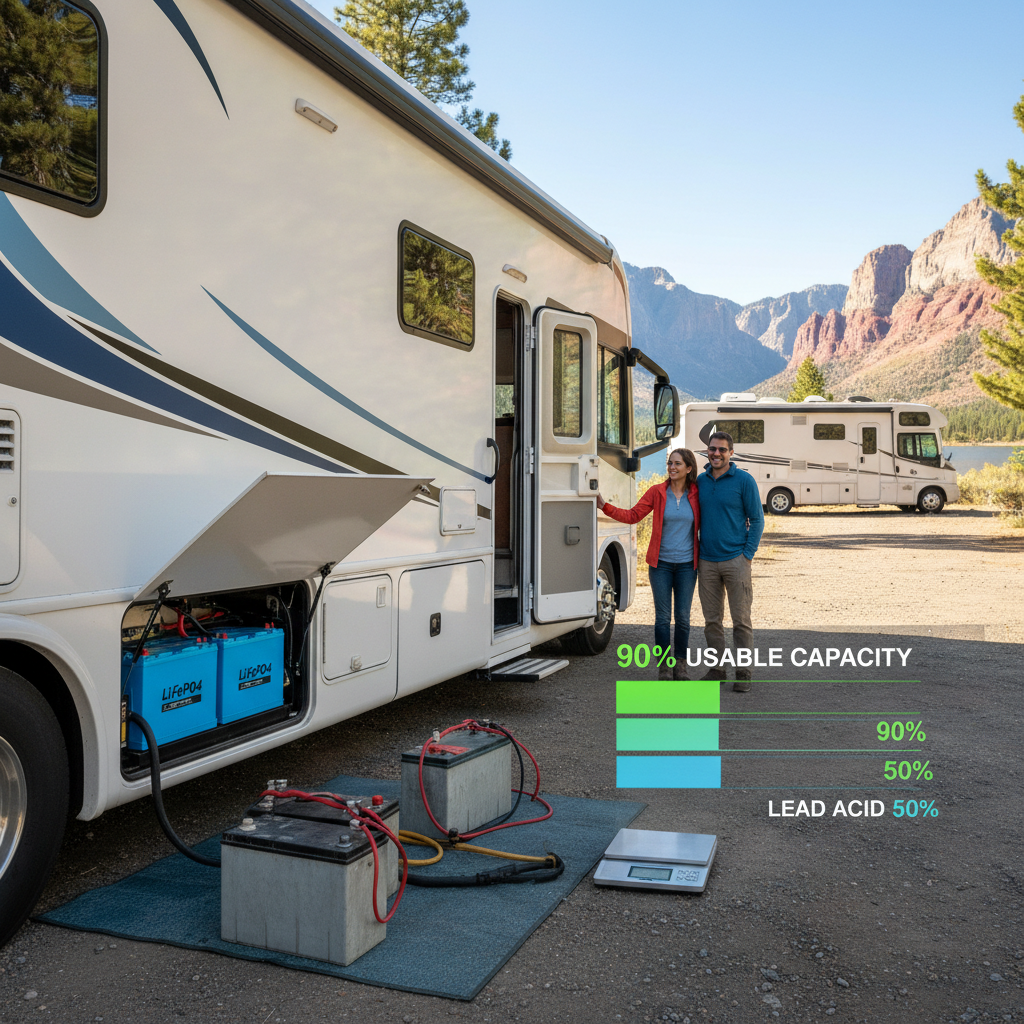
Switching to Lithium Batteries for Motorhome Power
Thinking of switching to lithium? Learn why LiFePO4 batteries are the ultimate 2026 upgrade for motorhome off-grid power, weight savings, and longevity.

Caravan noseweight and stability, how to measure and stay safe
Quick answer: noseweight is the downward force the caravan hitch puts on the towball. Aim for roughly 5 to 7 percent of the loaded caravan weight, and never exceed the lower of your car towball limit, hitch limit, or the caravan manufacturer noseweight figure.