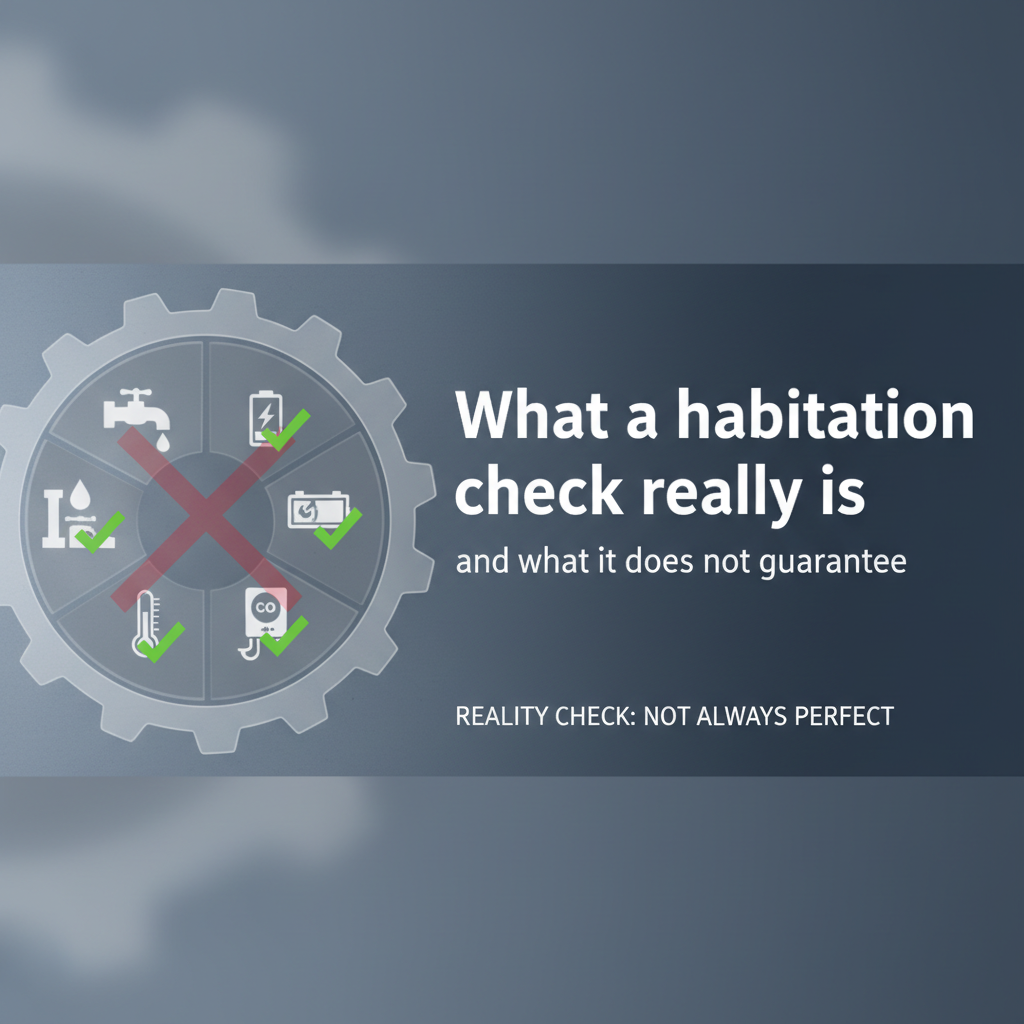
- A habitation check is a safety and health inspection of a leisure vehicle's living area, not a mechanical MOT.
- It covers gas safety, electrical systems, water plumbing, and bodywork integrity (damp testing).
- A 'pass' is a snapshot in time; it does not guarantee future immunity from damp or mechanical failure.
- Annual checks are typically required to maintain manufacturer warranties on models like the Swift Challenger or Bailey Autograph.
In the world of leisure vehicles, the phrase "hab checked" is often used by sellers to imply a vehicle is in pristine condition. However, a habitation check is a specific, point-in-time inspection of the living quarters. While essential for safety and warranty preservation, it is only as reliable as the technician's report and the standards they follow. For owners of high-end models like the Coachman Laser 650 or the Bailey Unicorn Deluxe, understanding the scope of this inspection is the difference between a safe holiday and an expensive structural failure.
What is a Habitation Check?
A habitation check (or 'hab check') is a comprehensive inspection of the 'home' element of your caravan or motorhome. According to the Approved Workshop Scheme (AWS)—a joint enterprise between the NCC (National Caravan Council), the Caravan and Motorhome Club, and the Camping and Caravanning Club—this service ensures that the gas, electric, and water systems are safe and functioning correctly. The AWS is currently the UK's largest group of independently assessed workshops and is seen as the benchmark for motorhome and touring caravan servicing in the UK.
Whether you are maintaining a Coachman Laser or preparing a used motorhome for the season, this check is your primary defence against hidden issues like carbon monoxide leaks or structural damp. It is important to note that to be accepted onto the AWS scheme, workshops must pass an annual inspection by independent assessors and comply with rigorous standards.
The Reality Check: What it Does Not Guarantee
It is a common misconception that a clean habitation report means a vehicle is fault-free forever. You must understand the limitations of the process to protect your investment:
- No Mechanical Coverage: For motorhomes and campervans, a habitation check does not cover the engine, gearbox, tyres, or brakes. You still require a separate mechanical MOT and service. The habitation check focuses exclusively on the living area.
- Environmental Snapshot: A damp test reflects the moisture levels on the day of the test. If a seal fails a week later during a storm, damp can begin to manifest immediately. The report is a record of the condition at the time of inspection only.
- Payload and Weight: Standard checks do not usually weigh the vehicle. If you have added heavy accessories like awnings or bike racks, use our Motorhome Weight Checker to ensure you remain legal and do not exceed your MTPLM.
What a Habitation Check Typically Covers
A standard inspection performed by an AWS-approved technician generally includes the following core areas, ensuring the right things are done by the right people to a high standard:
1. Damp Testing and Bodywork
Technicians use a moisture meter to conduct a survey of the wall boards and floor. They also perform a visual inspection of external seals and fixed furniture. This is a critical part of the service, as structural water ingress can lead to timber rot if left undetected. For a deeper dive into identifying these issues when viewing a vehicle, see our damp check guide for used caravans.
2. Gas Safety
This includes a 'tightness test' to check for leaks in the gas pipework, an inspection of the regulator and hose age, and checking the flame patterns on appliances like hobs and fridges. The NCC frequently warns users about the dangers of improper ventilation and the importance of these safety devices, particularly warning against the use of portable gas heaters indoors.
3. Electrical Systems
Both 12V and 230V systems are tested. This includes checking RCD trip times, battery health, socket safety, and the operation of interior lighting. This is vital for modern motorhome layouts that rely heavily on complex control panels and 12-volt wiring systems.
4. Water Systems
The technician will check for leaks in the pipework, the operation of the water pump, and the integrity of the fresh and waste water tanks. They also check the toilet flush and seal operation to ensure the system is sanitary and functional.
5. Fire and Safety
This involves checking the expiry dates and operation of smoke alarms, Carbon Monoxide (CO) detectors, and fire extinguishers. Ensuring these are in date is a fundamental part of the safety check performed by qualified professionals.
The Importance of the Approved Workshop Scheme (AWS)
The AWS is the only scheme supported by all major UK manufacturers. Using an AWS-approved workshop is often a mandatory requirement to keep a manufacturer warranty valid on newer models. If you are buying from motorhome dealers, always ask if their technicians are AWS-accredited. This ensures the work is carried out to a rigorous standard by qualified professionals who are independently assessed every year.
How to Use the Habitation Report
When viewing a used caravan, do not accept a verbal confirmation of a "pass." Demand the full written report and look for:
- The Damp Map: A diagram showing exactly where readings were taken throughout the vehicle.
- Advisories: These are notes on items that are currently safe but may need attention soon, such as a degrading window seal or a hose nearing its expiry date.
- Date and Credentials: Ensure the check was performed within the last 12 months by a recognised workshop to ensure the data is relevant.
Actionable Checklist for Owners
Preparing for Your Habitation Check
- Annual Rhythm: Schedule your check for the same month every year. See our servicing and maintenance schedule for more tips on timing.
- Clear the Lockers: Technicians cannot test for damp if wall boards are obscured by gear. Empty your cupboards and lockers beforehand to allow full access.
- Gas and Water: Ensure you have a gas supply and some water in the tank so the appliances and pumps can be tested under load.
- Unlock Everything: Ensure the technician has keys for all external lockers, battery boxes, and security devices.
Frequently Asked Questions
Is a habitation check a legal requirement?
No, it is not a legal requirement like an MOT. However, it is often a condition of your insurance policy and is almost always required to maintain your manufacturer’s warranty. Failure to provide proof of annual servicing can void warranty claims for damp or appliance failure.
Does a hab check include the engine?
No. A habitation check only covers the living area. For motorhomes, you must book a separate mechanical service for the chassis, engine, and braking systems. These are two distinct maintenance requirements.
Can I do my own habitation check?
While you can perform basic damp checks with a DIY meter, gas and electrical safety tests require specialist calibrated equipment and professional certification to be valid for insurance or warranty purposes. AWS technicians are fully qualified professionals trained for these specific tasks.
Why should I use an AWS workshop?
AWS workshops are independently assessed annually to ensure they meet high industry standards. Most UK manufacturers will only honour warranties if the servicing is performed by an AWS-approved technician, making it the benchmark for the industry.
What happens if damp is found?
If damp is detected, the technician will record the location and severity in the report. Early detection is key, as it allows for resealing before structural damage occurs. The report serves as the evidence needed for warranty claims or to plan necessary repairs.
Does the check cover the tyres?
While the habitation check focuses on the living area, some workshops may include a visual check of tyre age and condition as part of their broader safety assessment, though it is not the primary focus of the habitation service.
How often should I have a check?
You should have a habitation check performed annually. This ensures that any issues, particularly damp or gas leaks, are caught early and that your vehicle remains compliant with manufacturer warranty terms.